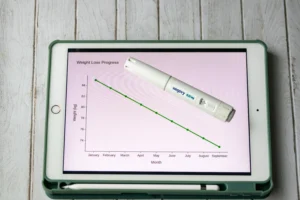
Weight loss can feel confusing when there are so many options available. Among the most talked-about options today are GLP-1 medications. These treatments have gained attention because they work differently from traditional diet plans or weight-loss supplements. But how do they work, and are they right for you?
In this guide, we’ll break down the science behind glp-1 weight loss medications in simple terms. We’ll explain how treatments like semaglutide and tirzepatide work, who may be eligible, what monitoring typically involves, and what realistic expectations look like. If you’re researching options and want straightforward answers, keep reading.
What Are GLP-1 Medications?
GLP-1 stands for glucagon-like peptide-1, a hormone naturally produced by the body. This hormone helps regulate hunger, digestion, and blood sugar levels after eating. GLP-1 medications are designed to mimic or enhance these natural processes. Instead of forcing weight loss through stimulants or extreme approaches, these medications work with systems your body already uses to regulate food intake and metabolism.
Why GLP-1 Medications Have Become Popular
Interest in GLP-1 weight-loss treatments has increased because they address several factors involved in weight management. They may help support:
- Reduced hunger
- Better appetite control
- More stable eating habits
- Improved blood sugar regulation
- Support for overall metabolic health
These effects are why many healthcare providers include them in supervised treatment plans.
How GLP-1 Weight Loss Medications Work
The science can sound complicated, but the basic concept is surprisingly simple.
They Help Slow Stomach Emptying
One way GLP-1 medications work is by slowing the rate at which food leaves the stomach. When food stays in the stomach longer:
- You may feel full longer
- Hunger may return more slowly
- Snacking may become easier to manage
This contributes to improved appetite control throughout the day.
They Affect Hunger Signals in the Brain
GLP-1 medications also interact with brain regions involved in hunger and satiety. Many patients report:
- Less frequent food cravings
- Reduced preoccupation with food
- Easier portion control
This doesn’t mean hunger disappears completely. Instead, hunger cues may become more manageable.
They Support Blood Sugar Regulation
Another important function involves blood sugar management. When blood sugar levels fluctuate dramatically, hunger and cravings often become more difficult to manage. By helping regulate blood sugar, GLP-1 medications can support more stable eating patterns.
They May Support Metabolic Health
Healthy weight management is connected to overall metabolic health. While weight loss is often the primary goal, many patients are also interested in improving:
- Energy levels
- Metabolic efficiency
- Long-term wellness habits
This broader focus is one reason these medications are commonly used within structured treatment programs.
Understanding Semaglutide and Tirzepatide
Two of the most commonly discussed medications are semaglutide and tirzepatide. Although they share similarities, they differ in some respects.
What Is Semaglutide?
Semaglutide is a GLP-1 receptor agonist. It works by mimicking the body’s natural GLP-1 hormone. Its effects may include:
- Improved appetite control
- Reduced calorie intake
- Better blood sugar regulation
- Support for metabolic health
Because of these effects, semaglutide has become one of the most recognized options in the GLP-1 category.
What Is Tirzepatide?
Tirzepatide works differently because it targets two hormone pathways rather than one. This dual-action approach may provide additional support for:
- Hunger regulation
- Satiety signals
- Metabolic processes
Like tirzepatide, every treatment plan should be individualized based on medical history, goals, and provider recommendations.
Which One Is Better?
There is no universal answer. The best option depends on factors such as:
- Current health status
- Weight management goals
- Medical history
- Provider recommendations
- Treatment response
This is why professional evaluation remains important before starting any medication.
Who May Be Eligible for GLP-1 Weight Loss Treatment?
Not everyone is a candidate for GLP-1 medications. Eligibility is typically determined through a medical evaluation.
Factors Providers May Consider
Healthcare providers often review:
- Weight history
- Body composition goals
- Current medications
- Medical conditions
- Lifestyle habits
- Overall health status
The goal is to determine whether the medication fits safely within your treatment plan.
When Lifestyle Changes Alone Haven’t Been Enough
Many people exploring GLP-1 weight loss options have already attempted:
- Diet modifications
- Exercise programs
- Calorie tracking
- Commercial weight loss plans
For some individuals, additional support may be appropriate when these efforts haven’t produced desired results.
Why Medical Supervision Matters
GLP-1 medications are not designed to be self-directed solutions. Professional supervision helps ensure:
- Appropriate dosing
- Safe use
- Ongoing evaluation
- Adjustments when needed
This is one reason many patients pursue treatment through structured medical weight loss programs.
The Importance of Monitoring During Treatment
One of the most overlooked aspects of weight-loss treatment is ongoing monitoring. The medication itself is only one part of the process.
What Monitoring Typically Includes
Regular follow-up visits may involve:
- Progress tracking
- Symptom reviews
- Weight changes
- Side effect discussions
- Lifestyle coaching
This ongoing support helps ensure treatment remains aligned with your goals.
Why Monitoring Helps Improve Outcomes
Monitoring allows providers to:
- Evaluate treatment response
- Make adjustments if necessary
- Address concerns early
- Encourage consistency
These visits often play a major role in long-term success.
Weight Loss Is More Than a Prescription
Many successful patients combine medication with:
- Improved nutrition
- Regular movement
- Better sleep habits
- Consistent follow-up care
That’s why medications are often included in larger weight-loss programs rather than used in isolation.
Setting Realistic Expectations
One of the biggest mistakes people make is expecting immediate results. Healthy weight loss takes time.
What GLP-1 Medications Can Do
GLP-1 medications may help support:
- Reduced hunger
- Better appetite control
- Improved eating habits
- Support for metabolic health
These changes can create an environment that supports weight management efforts.
What They Cannot Do
GLP-1 medications do not:
- Eliminate the need for healthy habits
- Work identically for every person
- Produce overnight transformations
- Replace professional guidance
Realistic expectations help create a healthier and more sustainable experience.
Consistency Matters
Patients who follow treatment recommendations, attend appointments, and stay engaged in their care often experience better outcomes than those relying on medication alone. This is why many providers incorporate GLP-1 medications into broader RX weight loss strategies that include accountability and education.
Understanding the Bigger Picture
Weight management is influenced by many factors. Hunger signals, hormones, lifestyle habits, stress, sleep, and metabolism all play a role. GLP-1 medications are not designed to solve every challenge, but they can provide support in areas that have traditionally been difficult to address through diet alone. For many people, the goal is not simply losing weight. It’s creating healthier habits and supporting long-term wellness.
With so much information online, it can be difficult to separate realistic expectations from exaggerated claims. Understanding the role of semaglutide, tirzepatide, appetite control, blood sugar, and metabolic health helps you make more informed decisions about your care.
Explore Your Options with Eros Vitality
At Eros Vitality, we understand that researching weight loss options can feel overwhelming. We help patients explore treatment choices through professional evaluations, personalized recommendations, and ongoing support designed around their goals.
Our team guides modern wellness strategies and medically supervised weight management solutions. Whether you’re exploring GLP-1 medications or simply looking for answers, we’re here to help you understand your options and move forward with confidence.